
In today’s ultra-competitive, fast-paced professional environment, finding time for exercise often feels impossible. Most busy executives and professionals aren’t lacking motivation—they’re lacking time. The key question is: How can you achieve significant fitness gains with the least possible time commitment? The answer lies in interval training—short, intense bursts of high-intensity exercise alternated with brief recovery periods. This approach delivers exceptional results in a fraction of the time required by traditional long-duration workouts.
For time-strapped professionals, structured interval sessions, often called “running rounds,” provide the perfect solution. These highly efficient workouts can be completed in just 20–30 minutes, yet they deliver cardiovascular, metabolic, and even cognitive benefits comparable to—or better than—hour-long steady-state sessions. When performed correctly, interval training improves aerobic capacity, accelerates fat burning, preserves muscle mass, and combats the negative effects of prolonged sitting—a common reality in office-based careers.

The Science Behind Interval Efficiency
The power of interval training is not hype—it’s backed by decades of rigorous scientific research. High-Intensity Interval Training (HIIT) consistently outperforms traditional moderate-intensity exercise in terms of time efficiency and physiological adaptations.
A landmark study published in the Journal of Physiology demonstrated that interval training can produce mitochondrial adaptations—improvements in the cellular energy factories—similar to those from long endurance training, but in significantly less time. This means your body becomes more efficient at producing and using energy, even at rest.
One of the most valuable benefits is the afterburn effect, scientifically known as excess post-exercise oxygen consumption (EPOC). Intense intervals create a large oxygen debt, and the body continues burning calories at an elevated rate for hours afterward. Research shows this elevated metabolism can persist for 14–24 hours, meaning your workout keeps working for you long after you return to your desk.
Interval training also dramatically improves insulin sensitivity, which is crucial for professionals who spend hours sitting. A well-known study from the University of Copenhagen found that HIIT was more effective than continuous moderate exercise at enhancing insulin action in sedentary adults. Better insulin sensitivity leads to improved blood sugar control, reduced fatigue, and lower risk of type 2 diabetes and metabolic syndrome.
Additionally, HIIT supports heart health by lowering blood pressure, improving endothelial function, and enhancing overall cardiovascular resilience. Recent studies have shown that incorporating short bursts of vigorous activity can reduce the risk of cardiovascular death by up to 50% and cancer-related death by 40% compared to being inactive.
Here is a visual example of a busy professional incorporating HIIT into their workday.
Key Physiological Benefits of HIIT
HIIT rapidly improves both aerobic and anaerobic fitness. VO2 max—the maximum amount of oxygen your body can use during exercise—can increase by 10–15% in just a few weeks of regular intervals.
It also enhances fat oxidation, teaching your body to burn fat more efficiently as fuel. This helps maintain muscle mass while promoting fat loss.
Cardiovascular adaptations include stronger heart muscle, better blood vessel function, and improved overall heart efficiency.
Practical Interval Protocols for Busy Schedules
Not all interval methods are equally time-efficient. Here are three evidence-based protocols specifically designed for professionals with limited time and unpredictable schedules.
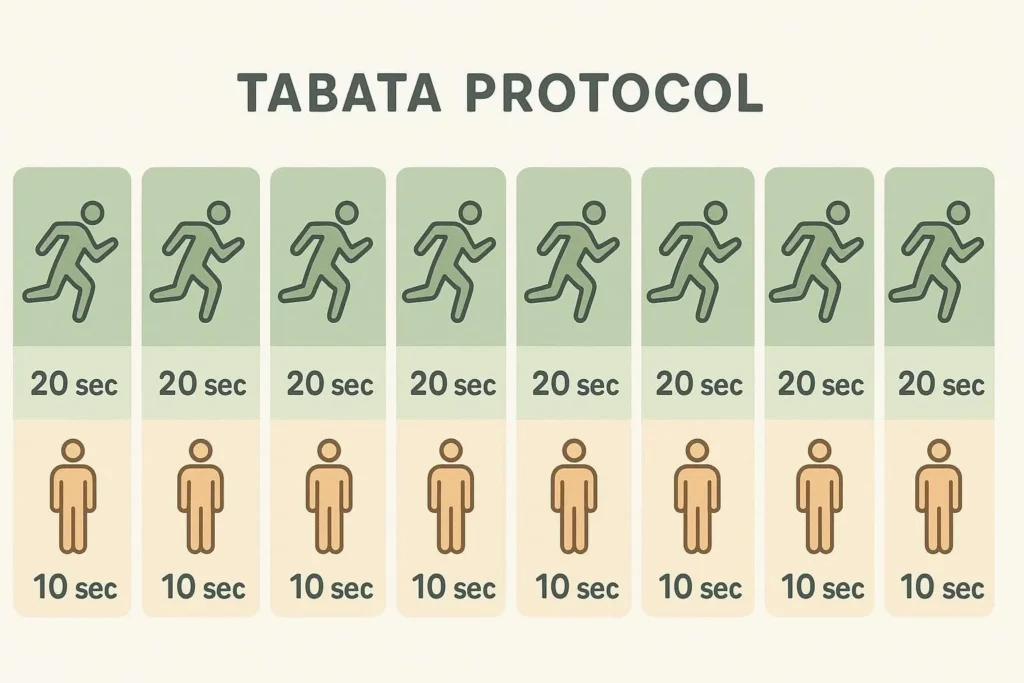
20-10 Tabata Protocol: Maximum Intensity in Minutes
Developed by Dr. Izumi Tabata, this protocol is simple yet extremely effective:
- 20 seconds of all-out maximum effort
- 10 seconds of rest
- Repeated for 8 rounds (total: 4 minutes)
Originally tested on Olympic speed skaters, Tabata training is renowned for building both aerobic and anaerobic capacity in just a few minutes. Research shows significant improvements in VO2 max and anaerobic power after consistent use.
Apply it to sprinting, cycling, or bodyweight exercises like high knees, jumping jacks, mountain climbers, or burpees. The critical factor is pushing to true maximum intensity during the work intervals.
This protocol fits easily into a stairwell, empty conference room, or even beside your desk.
Here is a clear visual breakdown of the Tabata protocol structure.
4×4 Interval Method: Optimal for Heart Health and Longevity
Created at the Norwegian University of Science and Technology (NTNU), this method is highly regarded for cardiovascular benefits:
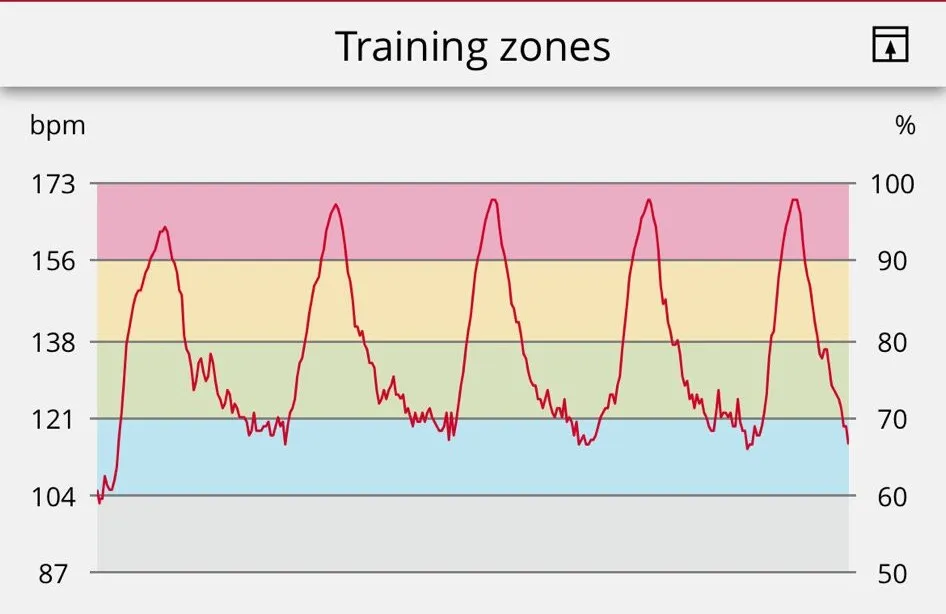
- 4 minutes at 85–95% of maximum heart rate
- 3 minutes of active recovery at 60–70%
- Repeated for 4 rounds (total: 28 minutes)
Studies from NTNU show this protocol is one of the most effective ways to improve VO2 max and overall heart health. The longer intervals allow for substantial cardiac stress without crossing into unsustainable territory.
Use it for running outdoors, stationary cycling, rowing, or even brisk stair climbing. It’s perfect for professionals prioritizing longevity and heart health.
A heart rate zone chart can help you stay in the correct intensity range.
60-30-10 Corporate Warrior Protocol: Flexible for Irregular Schedules
This custom-designed protocol is ideal for professionals with unpredictable days:
- 60 seconds of moderate effort (60–70%)
- 30 seconds of high effort (80–90%)
- 10 seconds of maximum effort (95–100%)
- Repeat for 5–10 rounds (adjust based on available time)
The graduated intensity makes it beginner-friendly yet challenging enough for advanced users. You can shorten it to 10 minutes or extend it to 25 minutes depending on your schedule.
Bodyweight movements like squat jumps, burpees, push-ups, or high knees work perfectly—no equipment required.
Here is an example of a corporate warrior performing a quick HIIT session in an office setting.
Implementation Strategies for the Workplace
Successfully integrating interval training into a busy professional life requires smart planning and flexibility.
Start your day with a short morning session (like Tabata) before your commute. This boosts endorphins, energy, and focus for the entire day.
During work hours, practice exercise snacking—short bursts of activity scattered throughout the day. Examples include:
- Taking stairs two at a time for 20–30 seconds
- Doing 30 seconds of desk-based jumping jacks
- Performing a quick set of mountain climbers in a private area
Bodyweight exercises are ideal because they require no equipment and can be done in business attire. All you need is a smartphone timer app.
Schedule your sessions like important meetings and set reminders. Consider partnering with a colleague for accountability and motivation.
Short, frequent bursts of vigorous activity throughout the day can deliver significant long-term health benefits.
Here is a visual representation of “exercise snacking” integrated into a typical workday.
Recovery Considerations for Busy Professionals
High-intensity interval training is demanding, so recovery is critical—especially for professionals juggling high-stress careers.
Focus on quality recovery rather than quantity. Hydration is essential—keep a water bottle at your desk and sip consistently. Electrolyte balance becomes important if you sweat heavily in office clothing.
Prioritize sleep quality: reduce screen time before bed, keep your bedroom calm and dark, and maintain consistent sleep/wake times even when traveling. Short power naps (15–20 minutes) can help offset sleep deficits.
Time your nutrition wisely: consume protein within 30 minutes after training to support muscle repair. Adjust carbohydrate intake based on your cognitive demands throughout the day.
Listen to your body. If you feel overly fatigued, reduce intensity or take an extra rest day. Proper recovery maximizes the benefits of HIIT and prevents burnout.
Here is an infographic summarizing key recovery strategies for busy professionals.
Measuring Progress Without Wasting Time
Tracking progress should be quick, simple, and effective.
Monitor heart rate recovery: after your last intense interval, check how quickly your pulse drops by 20 beats per minute. Faster recovery indicates improving cardiovascular fitness.
Perform a monthly work capacity test: count how many repetitions of a standard exercise (e.g., push-ups, burpees, or squat jumps) you can complete in 60 seconds. Track this number over time.
Also pay attention to subjective markers: improved energy levels, better mood, sharper focus, and higher productivity during the workday.
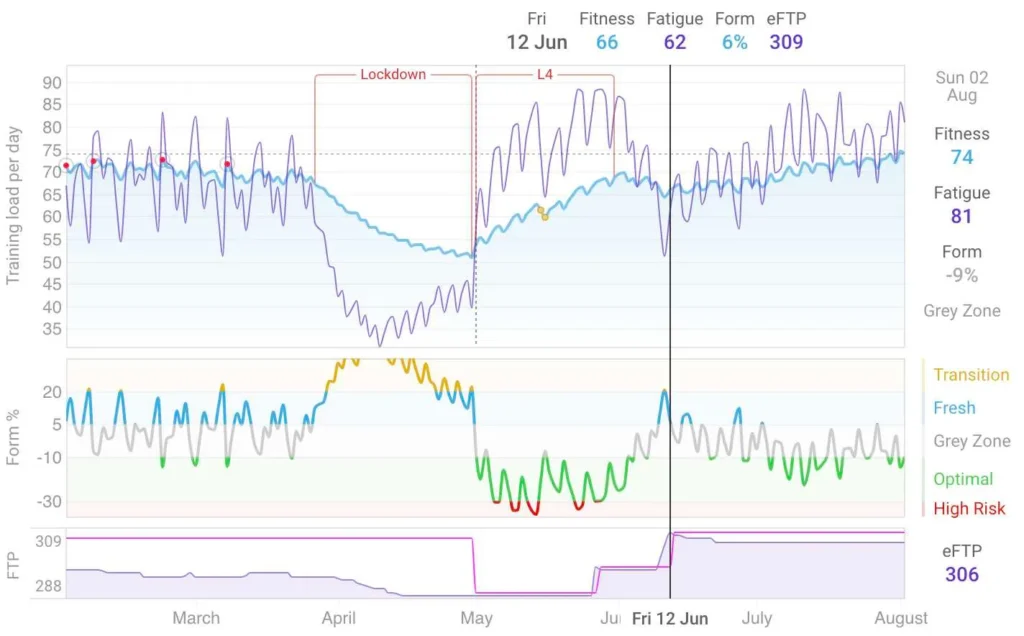
Here is a simple progress tracking chart to visualize improvements over time.
Conclusion: Make Interval Training Your Long-Term Strategy
Interval training is the most powerful, time-efficient fitness solution for busy professionals. With just 20–30 minutes a few times a week, you can achieve profound cardiovascular, metabolic, and cognitive benefits.
Consistency always beats perfection. A short, regular session is far more effective than occasional long workouts.
For professionals with demanding careers, interval training is more than a fitness strategy—it’s a sustainable way to protect your health, maintain energy, and perform at your best for years to come.
For more
For more exclusive influencer stories, visit influencergonewild