
Acid reflux is a common condition that affects many people around the world. Recently, the concept of the acid reflux diet, often referred to as ‘dropping acid,’ has gained popularity among those looking for natural ways to manage their symptoms. This dietary approach emphasizes the importance of making smart food choices to help control acid levels in the stomach. By understanding how diet impacts acid reflux, individuals can take active steps to improve their health and well-being.
Globally, GERD affects about 20% of adults, with higher rates in Western countries due to diet and lifestyle factors. The ‘dropping acid’ method, popularized by Dr. Jamie Koufman, focuses on low-acid, low-fat eating to reduce reflux episodes without relying solely on medications.

Managing Acid Reflux Through Dietary Changes
Managing acid reflux through dietary changes is important for a few reasons. Firstly, it can help reduce the discomfort associated with common symptoms like heartburn, regurgitation, and bloating. Secondly, it offers a natural alternative to medication, which some people may prefer. By adopting an acid reflux diet, individuals can take control of their health, possibly lessening the need for medication and its side effects.
Studies show that dietary interventions can be as effective as PPIs for some patients with laryngopharyngeal reflux. Lifestyle tweaks, like eating smaller meals and avoiding late-night eating, amplify these benefits.
Diet not only alleviates immediate symptoms but also prevents long-term complications. Consistent low-acid eating supports esophageal healing and reduces inflammation.
Understanding Acid Reflux and Its Causes
Acid reflux, also known as gastroesophageal reflux disease (GERD), occurs when stomach acid flows back into the esophagus. This can cause a burning sensation in the chest, known as heartburn, along with other symptoms like regurgitation, difficulty swallowing, and an ongoing cough.
The lower esophageal sphincter (LES) normally prevents backflow, but triggers like obesity, hiatal hernia, or certain foods weaken it.
Stomach acid plays an important part in digestion by breaking down food and absorbing nutrients. However, when acid levels are either too high or too low, it can lead to digestive issues. Hypochlorhydria, or low stomach acid, can result in poor digestion and nutrient absorption, making it essential to maintain a balanced acid level for optimal health.
Key Causes of Acid Reflux
Triggers include high-fat meals, which delay stomach emptying, and acidic foods that irritate the esophagus.
Pregnancy, smoking, and certain medications like NSAIDs also contribute.
Managing Acid Levels
Managing acid levels is important for a few reasons:
- Prevents damage to the esophagus, which can occur from prolonged acid exposure.
- Improves digestion and nutrient absorption.
- Reduces the risk of complications associated with chronic acid reflux, such as esophagitis or Barrett’s esophagus.
By understanding the causes and effects of acid reflux, individuals can better manage their symptoms and improve their overall quality of life through dietary changes.
Overview of the Dropping Acid Book and Cookbook
The ‘Dropping Acid’ book has become a key resource for those seeking to manage acid reflux through diet. Authored by Dr. Jamie Koufman and Dr. Jordan Stern, it provides a new view on how dietary adjustments can ease symptoms. The book outlines core principles to help reduce acid reflux, focusing on the types of foods that can trigger symptoms and those that can help soothe them.

Published in 2010, it introduces a two-week induction phase with pH >5 foods, followed by maintenance.
Key principles from the book include:
- Avoiding high-acid foods and beverages
- Incorporating more alkaline foods
- Understanding food pH levels
The ‘Dropping Acid Cookbook’ complements the main book by providing practical recipes that align with these principles.
Popular Recipes
Ginger Carrot Soup: Known for its soothing properties. Blend carrots, ginger, low-sodium broth; simmer until tender.
Quinoa Salad with Avocado: A refreshing, alkaline-rich option. Mix cooked quinoa, avocado, cucumber, herbs.
Baked Chicken with Herbs: A flavorful dish low in acidity. Bake chicken breast with rosemary, thyme, olive oil.
Additional recipes from the book: Banana Ginger Smoothie, Poached Salmon, Turkey Meatloaf.
These resources have empowered many individuals to take control of their acid reflux, offering not just recipes but also a lifestyle change. By following the guidelines, sufferers can potentially reduce their symptoms and improve their overall health.
The Impact of an Alkaline Diet on Acid Reflux
An alkaline diet focuses on eating foods that balance the body’s pH levels, which can be beneficial for those with acid reflux. By reducing acidic foods and increasing alkaline ones, individuals may experience fewer symptoms. This approach is supported by the idea that an alkaline environment in the stomach can help balance extra acid.
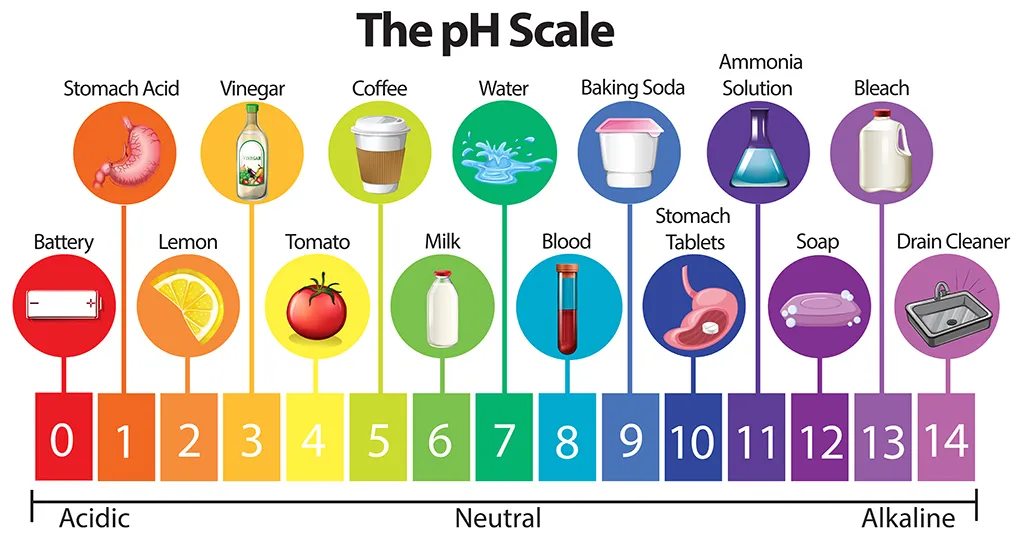
A 2017 study found alkaline water plus Mediterranean diet as effective as PPIs for LPR symptoms.
Benefits of an alkaline diet include:
- Potential reduction in acid reflux symptoms
- Improved digestion and nutrient absorption
- Overall better health and well-being
Examples of Alkaline Foods
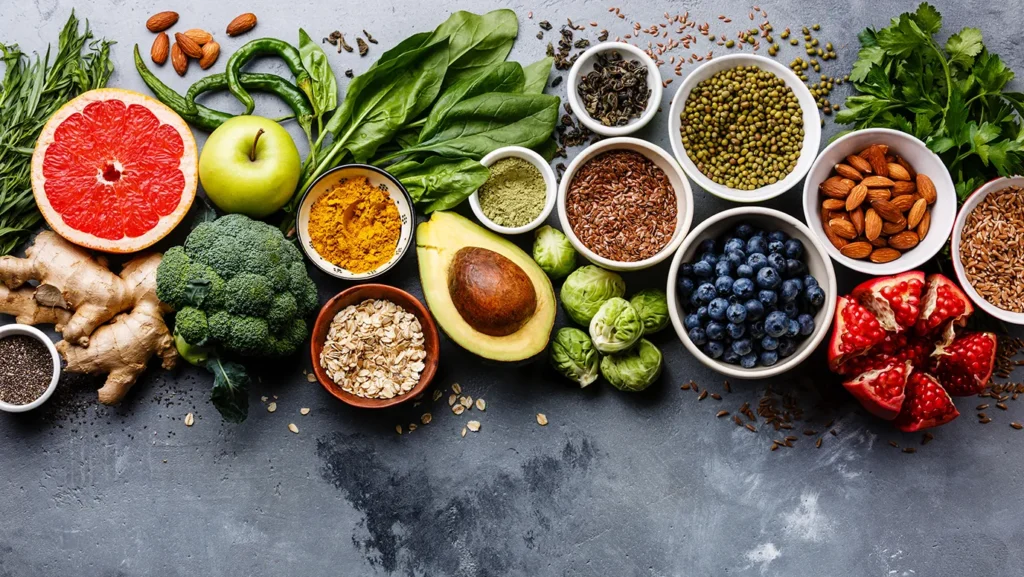
Examples of alkaline foods to incorporate into your diet are:
- Leafy greens such as spinach and kale
- Root vegetables like sweet potatoes and carrots
- Fruits such as bananas and melons
- Nuts and seeds, particularly almonds
Other options: Broccoli, cucumbers, avocados, celery.
By gradually incorporating these foods, individuals can work towards balancing their stomach acid levels, potentially easing symptoms of acid reflux.
Real-Life Success Stories: Overcoming Acid Reflux
Managing chronic acid reflux can be a challenging journey, but many have found relief through dietary changes. One such inspiring story comes from a patient who successfully managed their condition by altering their diet. By focusing on foods that were less likely to trigger symptoms, they experienced significant improvements in their quality of life.
Brian Blackburne switched to a low-fat, plant-based diet and eliminated reflux in under a week.
Key lifestyle changes that helped them succeed included:
- Adopting an alkaline-rich diet to help balance stomach acid levels.
- Eliminating common trigger foods such as spicy and fatty foods.
- Incorporating more fruits and vegetables into daily meals.
- Practicing mindful eating by eating smaller, more frequent meals.
Another patient reduced PPI dependency via Koufman’s plan, reporting no nighttime symptoms.
These changes not only helped manage their acid reflux but also improved their overall health. If you’re struggling with similar issues, consider exploring dietary modifications as a potential solution.

Choosing the Best Acid Reflux Cookbook
Selecting the right acid reflux cookbook can be a big help in managing your symptoms. Here are some tips to help you find the best fit for your needs:
- Identify Your Dietary Preferences: Look for books that align with your taste preferences and dietary restrictions.
- Check for Comprehensive Guides: Opt for cookbooks that offer a variety of recipes, including breakfast, lunch, and dinner options.
- Look for Success Stories: Cookbooks that include testimonials or success stories can provide motivation and inspiration.
- Consider the Authors’ Expertise: Books authored by nutritionists or doctors with experience in managing acid reflux can offer valuable insights.
Top 2025 picks: Dropping Acid (classic), The Easy Acid Reflux Cookbook (quick recipes), Dr. Koufman’s Acid Reflux Diet (vegan/gluten-free).
There are several options available in the market, such as the dropping acid book and the dropping acid cookbook, which provide practical dietary solutions. These resources can guide you in making personalized dietary choices that suit your lifestyle and help in effectively managing acid reflux symptoms.
Foods to Avoid and Embrace
Common triggers: Citrus, tomatoes, chocolate, caffeine, alcohol, fried foods, spicy items.
Safe choices: Oatmeal, ginger, lean meats, non-citrus fruits, whole grains.
| Category | Avoid | Embrace |
|---|---|---|
| Fruits | Citrus, tomatoes | Bananas, melons, apples |
| Vegetables | Onions, garlic | Leafy greens, broccoli |
| Proteins | Fatty meats | Chicken, fish, tofu |
| Beverages | Coffee, soda | Herbal tea, almond milk |
| Others | Chocolate, mint | Ginger, fennel |
Sample 7-Day Meal Plan
Day 1: Breakfast – Oatmeal with banana; Lunch – Quinoa salad; Dinner – Baked chicken with veggies.

Day 2: Breakfast – Smoothie with almond milk, spinach; Lunch – Turkey wrap; Dinner – Poached salmon.
Continue varying for balance.
Lifestyle Tips Beyond Diet
Elevate head during sleep, eat slowly, maintain healthy weight, avoid tight clothing.
Potential Risks and When to See a Doctor
If symptoms persist, seek medical advice to rule out complications.
Dietary changes can be a powerful tool in managing acid reflux, a condition that affects many people worldwide. The concept of the acid reflux diet, often referred to as “dropping acid,” is gaining traction as individuals seek natural ways to alleviate symptoms. This approach emphasizes the importance of managing acid levels in the body through carefully chosen foods.
Conclusion: Embracing the Acid Reflux Diet Revolution
The journey of “dropping acid” through dietary changes is a hopeful path for those struggling with acid reflux. By embracing the principles outlined in resources like the “dropping acid book” and “dropping acid cookbook,” individuals can take proactive steps towards better health.
- Understanding the role of diet in managing acid reflux is important.
- Incorporating alkaline foods can help reduce symptoms.
Explore these resources and consider making dietary changes to improve your quality of life.
Advanced Insights on pH and Reflux
Food pH matters post-digestion; focus on <5 pH avoidance during induction.
More Recipes Inspired by Dropping Acid
Turkey Chili (low-fat), Almond-Crusted Fish, Vegetable Stir-Fry (no onions).
Scientific Backing and Myths
Myth: All acids bad. Fact: Some like apple cider vinegar may help in moderation.
Evidence supports low-acid diets reducing RSI scores.
Community and Support
Join forums, track symptoms with apps.
Long-Term Maintenance
After induction, reintroduce foods mindfully.
This guide expands on ‘dropping acid’ principles, backed by science and real stories, for comprehensive management.
For more
For more exclusive influencer stories, visit influencergonewild