
Irregular Periods After Birth: What’s Normal and When to Worry
Childbirth is a transformative experience, both physically and emotionally. As your body recovers from pregnancy and adapts to life with a newborn, many women notice changes in their menstrual cycles. Experiencing irregular periods after birth is common, and it can be confusing or worrying for new mothers. Understanding why these changes happen, how to monitor them, and when to seek medical attention is essential for your reproductive health and overall well-being.
This article provides an in-depth guide to postpartum menstrual irregularities, exploring causes, symptoms, fertility considerations, and practical tips to manage and monitor your cycles effectively.
Understanding Postpartum Menstrual Changes
After childbirth, a woman’s body undergoes dramatic hormonal, physical, and emotional changes. These changes influence when and how your menstrual cycle returns.
For some women, menstruation resumes within a few weeks after delivery, while for others, it may take several months or longer. These variations are usually normal and depend on several factors, including breastfeeding, hormonal shifts, stress levels, and overall health.
The Role of Hormones in Postpartum Cycles
Hormones play a central role in regulating menstrual cycles. After delivery, the hormonal landscape of the body changes rapidly:
- Estrogen and Progesterone Drop: These two hormones, essential for regulating ovulation and menstruation, decline sharply after childbirth. This sudden drop can lead to temporary irregularities in the menstrual cycle.
- Increase in Prolactin: Prolactin is the hormone responsible for milk production. High levels of prolactin can suppress ovulation, delaying the return of periods, especially in women who are exclusively breastfeeding.
- Other Hormonal Adjustments: Thyroid hormones, cortisol, and luteinizing hormone (LH) can fluctuate as the body recovers, contributing to irregular cycles.
Understanding these hormonal changes can help new mothers realize that irregular periods are often a normal part of postpartum recovery.
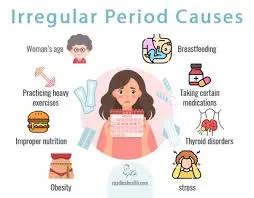
What Causes Irregular Periods After Giving Birth?
Several factors influence how soon and how regularly menstruation returns after childbirth. These factors can be biological, lifestyle-related, or medical.
Breastfeeding
Breastfeeding is one of the most common causes of delayed menstruation after birth. Prolactin, the hormone responsible for producing breast milk, inhibits ovulation.
- Women who exclusively breastfeed may experience delayed periods for six months or longer.
- Partial breastfeeding or formula feeding may result in earlier resumption of cycles, but irregularity is still common.
- This natural delay in menstruation is sometimes referred to as lactational amenorrhea, and it also provides some degree of natural contraception.
Hormonal Shifts
After pregnancy, the body must restore hormonal balance. These shifts can affect the menstrual cycle in several ways:
- Drop in Estrogen and Progesterone: The sudden decrease after childbirth can cause skipped periods or irregular bleeding.
- Fluctuating LH and FSH Levels: These pituitary hormones gradually return to pre-pregnancy levels to regulate ovulation.
- Cortisol and Stress Hormones: Postpartum stress can affect menstrual regulation and delay ovulation.
Stress and Lifestyle Changes
The postpartum period is a physically and emotionally demanding time. New mothers often experience:
- Sleep Deprivation: Irregular sleep can disrupt hormonal balance.
- Emotional Stress: Anxiety, postpartum mood changes, or depression may impact cycles.
- Physical Fatigue: Recovery from childbirth and caring for a newborn can interfere with the return of regular menstruation.
These factors, combined with hormonal changes, make irregular periods a common experience during the first months after delivery.
Underlying Health Conditions
Certain medical conditions can prolong or worsen irregular menstrual cycles:
- Thyroid Disorders: Hypothyroidism or hyperthyroidism can disrupt menstruation and ovulation.
- Polycystic Ovary Syndrome (PCOS): Women with PCOS may experience delayed return of periods.
- Postpartum Complications: Retained placental tissue, uterine infections, or other complications may affect cycle regularity.
Weight Changes After Pregnancy
Postpartum weight changes, whether loss or gain, can influence hormone levels, particularly estrogen, which is produced in fat tissue. Sudden changes in weight may temporarily disrupt menstrual cycles.
Recovery From Uterine Healing
The uterus needs time to shrink back to its pre-pregnancy size, a process called involution. This recovery can affect ovulation and the return of regular periods.
Contraceptive Use
Hormonal contraception, such as birth control pills, implants, or injections, can alter bleeding patterns and delay the return of normal cycles. Some women may experience lighter periods, irregular spotting, or skipped cycles due to contraceptive use.
Is It Normal for Periods to Be Irregular Postpartum?
Yes. For most women, irregular periods after childbirth are a normal part of the body’s adjustment to hormonal changes, breastfeeding, and recovery.
- Return of Menstruation: Some women may not see their first postpartum period for six months or more, especially if breastfeeding exclusively.
- Flow Variations: Periods may be heavier or lighter than pre-pregnancy cycles initially.
- Cycle Length Variations: Early cycles may be shorter, longer, or unpredictable as hormones stabilize.
Common Postpartum Irregularities
- Skipped Periods: Common in breastfeeding mothers.
- Shortened or Lengthened Cycles: Fluctuating cycle lengths are normal initially.
- Heavy or Light Bleeding: Early postpartum periods may vary in flow.
- Spotting Between Periods: Light spotting may occur as cycles normalize.
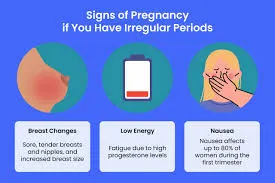
Can You Get Pregnant With Irregular Periods After Birth?
Yes. It’s important to note that ovulation can occur before the first postpartum period. This means pregnancy is possible even if your cycles are irregular or absent.
- Contraception is Important: Women not planning another pregnancy should discuss contraceptive options with their healthcare provider.
- Fertility Tracking Tools: Hormone monitors and digital ovulation trackers can help determine fertile windows despite irregular cycles.
- Natural Family Planning: While possible, relying solely on postpartum irregular periods as contraception is not recommended.
When Should You See a Doctor About Irregular Periods?
While most postpartum irregularities are normal, certain signs warrant medical evaluation:
- Extremely Heavy Bleeding: Passing large clots or soaking multiple pads per hour.
- Severe Cramping: Pain not relieved by over-the-counter medications.
- Absent Periods: No menstruation for more than six months after stopping breastfeeding.
- Signs of Infection: Fever, foul-smelling discharge, or pelvic pain.
Prompt consultation can help detect issues like retained tissue, hormonal imbalances, thyroid disorders, or infections early.

Monitoring Your Postpartum Menstrual Cycle
Tracking cycles can help new mothers understand their body’s recovery and identify potential issues.
Hormone Monitors
Hormone monitors track ovulation by measuring hormone levels in urine or saliva. These devices provide insight into cycles even if menstruation is irregular.
Digital Ovulation Trackers
Mobile apps allow you to record:
- Flow and bleeding patterns
- Cramping and other symptoms
- Ovulation predictions based on basal body temperature or cervical mucus
Journaling Symptoms
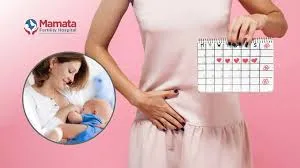
Keeping a written record of symptoms, menstrual flow, breastfeeding patterns, and emotional state can provide valuable information for healthcare providers.
Tips for Managing Irregular Periods Postpartum
- Maintain a Balanced Diet: Foods rich in vitamins and minerals support hormonal balance and recovery.
- Exercise Regularly: Gentle postpartum exercises aid physical recovery and hormone regulation.
- Manage Stress: Meditation, deep breathing, and yoga can reduce cortisol levels affecting cycles.
- Prioritize Sleep: Adequate rest is essential for hormonal and emotional health.
- Track Your Cycle: Monitor flow, symptoms, and ovulation to understand your body better.
- Stay Hydrated: Proper hydration supports overall health and hormonal regulation.
- Consult a Doctor: Seek guidance if symptoms are concerning or cycles remain abnormal.
FAQs About Postpartum Menstrual Irregularities
Q1: How long is it normal for periods to be irregular after birth?
A: For breastfeeding mothers, periods may be absent for six months or longer. For non-breastfeeding mothers, cycles often resume within 6-12 weeks but may initially be irregular.
Q2: Is heavy bleeding normal postpartum?
A: Some heavier flow may occur during the first few cycles as the uterus sheds remaining lining. Extreme bleeding or passing large clots should be evaluated.
Q3: Can stress delay periods after childbirth?
A: Yes. Emotional stress, sleep deprivation, and physical fatigue can disrupt hormone balance and delay ovulation.
Q4: Are irregular periods a sign of infertility postpartum?
A: Not necessarily. Ovulation may occur before menstruation resumes. Fertility tracking or consultation with a healthcare provider can provide clarity.
Conclusion
Irregular periods after childbirth are typically normal and reflect your body’s adjustment to hormonal changes, breastfeeding, stress, and physical recovery. By understanding the causes, monitoring your cycles, and knowing when to seek medical help, you can maintain your reproductive health and gain peace of mind.
- Track Your Cycle: Use modern tools like hormone monitors, ovulation trackers, or journals.
- Pay Attention to Symptoms: Heavy bleeding, severe pain, or infection signs require prompt medical attention.
- Support Recovery: Healthy diet, exercise, stress management, and adequate sleep help regulate cycles.
Being informed about postpartum menstrual changes empowers new mothers to care for their bodies and make decisions that promote long-term reproductive health.
For more
For more exclusive influencer stories, visit influencergonewild