For decades, the year-long lease has been treated as the default way to rent a home. Many renters sign annual contracts without questioning whether such a long commitment truly fits their lifestyle. While fixed leases offer predictability, they also assume that life will remain stable for twelve straight months, which is increasingly unrealistic in today’s world.
Modern renters face constant change. Careers evolve faster, remote and hybrid work have reshaped where people live, and personal circumstances can shift unexpectedly. In this environment, flexibility has become more valuable than tradition. Month-to-month rentals are no longer a temporary fallback option. They are becoming a deliberate strategy for renters who want control, mobility, and financial protection.
Understanding the Structure of Month-to-Month Rentals
A month-to-month rental agreement operates without a fixed end date. Instead of committing to a full year, the lease renews automatically each month. Either the tenant or the landlord can end the agreement by giving proper notice, most commonly thirty days. This structure transforms renting from a rigid obligation into a living arrangement that adapts over time.
This type of lease attracts renters who value responsiveness over permanence. People relocating for work, testing new cities, navigating life transitions, or simply avoiding long commitments often find monthly rentals more aligned with their needs. Although the monthly rent may appear slightly higher, the absence of long-term risk often changes the overall cost equation.
Why Renting Needs to Adapt to Modern Life
The traditional lease model was built for predictable routines and long-term employment stability. Today’s reality is different. Work contracts change, personal priorities evolve, and opportunities arise without much notice. Month-to-month rentals reflect this shift by offering housing that adapts rather than restricts.

Breaking Free From the Hidden Costs of Long-Term Leases
Annual leases often appear cheaper at first glance, but they carry hidden costs that surface when plans change. These costs are rarely considered when signing, yet they can have a serious financial impact.
The Financial Burden of Early Termination
Breaking a fixed-term lease is expensive. Tenants are often required to pay penalties equivalent to several months of rent, forfeit security deposits, or continue paying until a replacement tenant is found. These costs arrive suddenly and often coincide with stressful life events such as job loss, relocation, or family emergencies.
Month-to-month rentals remove this financial risk. When change becomes necessary, tenants can move without penalty. This freedom protects savings and prevents housing from becoming a financial liability during already difficult moments.
Avoiding Overlapping Rent Obligations
Another overlooked expense tied to annual leases is double rent. When relocating, tenants frequently pay rent at their old residence while securing a new one. Monthly agreements eliminate this overlap, ensuring renters only pay for the space they actively occupy.
Experiencing a Neighborhood Before Committing Long-Term
Choosing where to live is more than selecting a building. It involves understanding the rhythm of a neighborhood, its people, and its daily realities. Short tours and online listings cannot provide this insight.
What Only Time Can Reveal
Living in an area for several months reveals details that are impossible to assess quickly. Traffic congestion during peak hours, noise patterns at night, parking challenges, and the general atmosphere of the community all influence quality of life. Month-to-month rentals give tenants time to observe these factors without long-term consequences.
This real-world experience allows renters to determine whether a neighborhood truly supports their lifestyle, rather than relying on assumptions or marketing descriptions.
Reducing Long-Term Regret
Instead of enduring months of dissatisfaction, renters can leave if a location does not meet expectations. This reduces regret and leads to better long-term decisions. Many renters who start month-to-month ultimately settle with confidence, knowing they chose based on lived experience rather than guesswork.

Using Market Timing as a Strategic Advantage
Rental markets are cyclical, yet most tenants never benefit from this reality because annual leases lock them into a single pricing moment. Month-to-month renters can respond to market conditions instead of being trapped by them.
Seasonal Shifts in Rental Demand
In many cities, rental demand peaks during late summer and early autumn, when relocations are common. Winter months, on the other hand, often see softer demand and increased willingness from landlords to negotiate. Monthly renters can wait for these quieter periods before committing to long-term agreements.
This timing flexibility allows tenants to secure lower rents, improved lease terms, or added incentives simply by choosing when to commit.
Turning Short-Term Flexibility Into Long-Term Savings
Many renters use month-to-month leases as a temporary strategy. Once market conditions improve, they transition into annual leases under more favorable terms. This approach combines the best of both worlds: flexibility first, savings later.
Strengthening Negotiation Power Without Realizing It
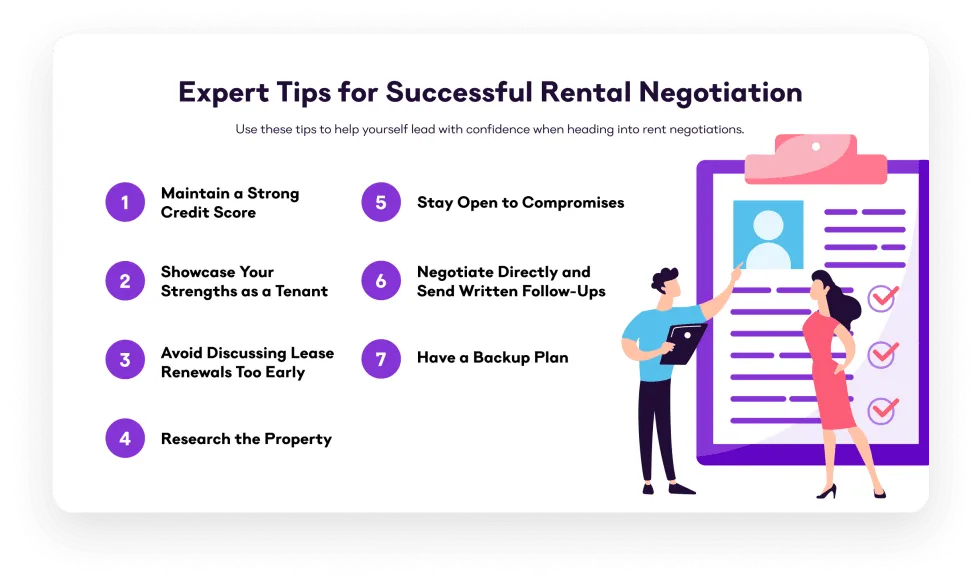
A common misconception is that long-term tenants hold the strongest negotiating positions. In reality, month-to-month renters often gain more leverage over time.
Why Landlords Value Proven Reliability
Landlords care deeply about consistency. A tenant who pays on time, maintains the unit, and communicates clearly represents low risk. Month-to-month renters who demonstrate reliability become valuable assets. When they express interest in longer commitments, landlords are often open to negotiation.
This can lead to reduced rent, property upgrades, or more flexible lease clauses. Tenants already locked into annual contracts rarely receive such concessions because their commitment is already secured.
Vacancy Risk Changes the Balance of Power
Vacant units cost landlords money. Advertising, screening applicants, and lost rental income all add up. Retaining a reliable tenant is often more cost-effective than finding a new one, which shifts negotiation power toward dependable month-to-month renters.
Financial Stability in an Unpredictable Economy
Income stability is no longer guaranteed. Freelancers, contractors, commission-based professionals, and entrepreneurs experience fluctuations that do not align well with rigid housing commitments.
Aligning Housing With Income Reality
Month-to-month rentals allow housing to adjust as income changes. During strong earning periods, renters can maintain their current lifestyle. When income slows, they can downsize or relocate without financial penalties.
This flexibility prevents housing from becoming a fixed burden and supports healthier financial planning.
Preserving Emergency Funds and Liquidity
Breaking an annual lease often drains emergency savings. Monthly rentals protect liquidity, ensuring funds remain available for genuine emergencies, career investments, or personal opportunities rather than being consumed by contractual penalties.
Psychological Benefits of Flexible Renting
Beyond finances, flexibility offers emotional relief. Knowing that you are not trapped in a long-term commitment reduces stress and increases confidence.
Freedom Reduces Anxiety
Renters who know they can leave if circumstances change often feel more secure, not less. This psychological freedom allows people to focus on career growth, personal development, and lifestyle exploration without fear of housing consequences.
Supporting Life Transitions
Life changes rarely align with lease expiration dates. Month-to-month rentals provide breathing room during transitions such as career changes, relationship shifts, or relocation planning.
Using Month-to-Month Rentals With Intention
Flexible renting works best when used strategically rather than impulsively. It is not about instability, but about control.
When Month-to-Month Makes the Most Sense
Monthly rentals are ideal during exploration phases, relocations, or periods of uncertainty. Once clarity and stability return, renters can confidently commit to long-term leases under better conditions.
A Smarter Renting Philosophy
Rather than viewing monthly and annual leases as opposing choices, informed renters treat them as tools for different stages of life. Flexibility first, commitment when ready, and always with awareness of timing and leverage.
Conclusion
Month-to-month rentals are no longer a secondary option. They represent a shift in how people approach housing in a fast-changing world. By reducing financial risk, improving decision-making, strengthening negotiation power, and supporting income flexibility, they offer advantages that traditional leases cannot.
In modern renting, true security comes not from being locked in, but from having the freedom to adapt. For renters who value control over convention, month-to-month rentals are becoming the smarter way forward.
FAQS
What is a month-to-month rental agreement?
A month-to-month rental is a lease that renews every month and can be ended by either the tenant or landlord with proper notice, usually 30 days.
Are month-to-month rentals more expensive than yearly leases?
Monthly rentals often have a slightly higher base rent, but they can be cheaper overall by avoiding lease-breaking penalties and double rent situations.
How much notice do tenants need to give before moving out?
In most cases, tenants must provide at least 30 days’ written notice, though local laws or lease terms may vary.
Can landlords terminate a month-to-month lease?
Yes, landlords can end the agreement with proper notice, provided they follow local rental laws and regulations.
Who should consider month-to-month renting?
Month-to-month rentals are ideal for people relocating, freelancers, remote workers, professionals on short contracts, or anyone needing flexibility.
Is it possible to switch from month-to-month to a yearly lease?
Yes, many tenants convert to annual leases after negotiating better terms once they decide to stay long-term.
Do month-to-month rentals affect rental history?
No, as long as rent is paid on time and notice rules are followed, they do not negatively impact rental history.
Are utilities included in month-to-month rentals?
Utility arrangements depend on the property and landlord, not the lease length. Some include utilities, others do not.
Can rent be increased in a month-to-month lease?
Yes, landlords can raise rent, but they must provide proper notice and comply with local rent control laws.
Is month-to-month renting legally safe?
Yes, month-to-month leases are legally recognized, provided the agreement follows local housing laws and tenant rights regulations.
For more
For more exclusive influencer stories, visit influencergonewild