If you’ve scrolled through social media lately, you’ve likely encountered videos praising oil pulling as a miracle cure for everything from cavities to bad breath. This ancient Ayurvedic practice involves swishing oil around in your mouth for up to 20 minutes, supposedly drawing out toxins and improving oral health. But while influencers enthusiastically promote this technique on platforms like TikTok and Instagram, dental professionals often take a different stance.
In this in-depth article, we’ll explore the scientific evidence behind oil pulling, examine why dental professionals remain skeptical, and provide evidence-based alternatives for maintaining optimal oral health. We’ll delve into its historical roots, analyze peer-reviewed scientific research versus anecdotal evidence, and address common concerns like delayed professional treatment and potential risks such as lipoid pneumonia, upset stomach, diarrhea, jaw discomfort, and time inefficiency.
Oil pulling has gained popularity on social media, but dental professionals remain skeptical about its benefits. Proponents claim it can whiten teeth naturally, reduce plaque and prevent cavities, eliminate bad breath, improve gum health, remove toxins from the body, and reduce inflammation. However, as we’ll see, these claims often lack substantial backing from rigorous studies.
What Is Oil Pulling and Why Is It Popular?
Oil pulling is an ancient practice that originated in India as part of Ayurvedic medicine thousands of years ago—dating back over 3000 to 5000 years, according to historical texts like the Charaka Samhita and Sushruta Samhita. Referred to as “Kavala Graha” or “Gandusha” in ancient Ayurvedic traditions, the technique involves swishing oil (typically coconut, sesame, or sunflower) around in your mouth for 5-20 minutes before spitting it out. Traditionally, practitioners believed this process would “pull” toxins from the body through the mouth, improving overall health and even treating more than 30 different diseases, ranging from headaches to digestive issues.
In Ayurvedic philosophy, which emphasizes balance between mind, body, and spirit, oil pulling was seen as a holistic method to detoxify the body. Elders in India developed this as part of a broader system of mind-body health before modern medicine emerged. The practice was deeply personal, often customized to an individual’s dosha (body type) in Ayurveda. For instance, sesame oil was the traditional choice due to its warming properties, while coconut oil later gained favor for its cooling effects and pleasant taste.

Ayurvedic Medicine Alternative Holistic Body Healing Stock Vector …
The history of oil pulling reveals it as a folk remedy practiced for centuries in southern Asia, but its modern revival often ignores the context: it was never intended as a standalone cure but part of a holistic lifestyle. Today, it’s often isolated and hyped, leading to questions about its true efficacy.
The Cultural and Modern Appeal of Oil Pulling
Diving deeper, Ayurvedic medicine views oil pulling not just for oral health but as a preventive measure against systemic issues. Ancient texts suggest it could strengthen teeth, treat cancer (though unsubstantiated), reduce headaches, and more. In contemporary times, this has evolved with influencers blending it with trends like essential oils or herbal remedies. For example, some add peppermint or clove for enhanced flavor, though this isn’t traditional.
Social media’s role can’t be understated. Platforms amplify user-generated content, where personal stories of “transformed” oral health spread rapidly. Yet, this creates a echo chamber of unverified claims, prompting dental professionals to counter with evidence-based advice.
The Science Behind Oil Pulling: What Research Actually Shows
When dental professionals evaluate any oral health practice, they rely on peer-reviewed scientific research rather than anecdotal evidence. So what does the research say about oil pulling? The overall body of evidence is limited and inconclusive, with most studies featuring small sample sizes, short durations, and methodological limitations that make it difficult to draw definitive conclusions.
Limited Scientific Support and Key Studies
According to the American Dental Association (ADA), “scientific studies have not provided the necessary clinical evidence to demonstrate that oil pulling reduces the incidence of dental caries, whitens teeth or improves oral health and well-being.” This stance is echoed in multiple reviews. For instance, a 2022 meta-analysis published in Healthcare examined the effectiveness of oil pulling for improving oral health and found that while it may reduce total oral bacterial counts and improve plaque and gingival scores, the evidence is not strong enough to recommend it over standard practices.
Some small-scale studies suggest modest benefits. A 2009 study published in the Indian Journal of Dental Research found that oil pulling with sesame oil reduced plaque and gingivitis, though the effects were not as significant as chlorhexidine mouthwash—a common antimicrobial rinse. Another 2023 systematic review in the International Journal of Dental Hygiene concluded there was a probable benefit in improving gingival health, but chlorhexidine remained superior for reducing plaque.

The Impact of Lactobacillus reuteri on Oral and Systemic Health: A …
Lack of Evidence for Major Claims
Despite widespread claims on social media, there is no substantial scientific evidence that oil pulling whitens teeth (no clinical studies support this claim), prevents or reverses tooth decay, eliminates the need for professional dental care, “detoxifies” the body (a scientifically questionable concept), treats serious gum disease or periodontitis, or provides systemic health benefits beyond the mouth. Unproven claims about oil pulling abound, often based on personal testimonials rather than controlled trials.
For example, a Tufts University article from 2024 notes that while oil pulling is generally safe, reliance on it could delay proper care. Experts like Dr. Matt Messina, clinic director of Ohio State Upper Arlington Dentistry, notes: “Oil pulling is a historic method that has been supplanted by better ways to clean our teeth. While it’s not harmful, there’s no scientific basis to say that it’s particularly beneficial either.” Dr. Mark Wolff, dean of Penn Dental Medicine, warns: “The only time oil pulling could be considered dangerous is if someone has an infection or periodontal disease and is using oil pulling instead of a known beneficial treatment.”
Why Dentists Don’t Recommend Oil Pulling: Key Concerns
Dental professionals have several specific concerns about oil pulling that lead them to discourage the practice as a primary oral hygiene method. Dentists recommend evidence-based practices over oil pulling for maintaining oral health.
Delayed Professional Treatment and Overreliance
Perhaps the most significant concern is that people may use oil pulling as a substitute for proven dental treatments. This delay in seeking professional care can allow dental problems to worsen, potentially leading to more extensive and expensive treatments later. If individuals with infections or periodontal disease opt for oil pulling instead, it could exacerbate issues.
Potential Risks and Side Effects
While generally considered safe when used properly, oil pulling isn’t entirely without risks. These include lipoid pneumonia risk if oil is accidentally aspirated (inhaled) into the lungs, upset stomach or diarrhea if large amounts of oil are swallowed, jaw discomfort from prolonged swishing motion, and time inefficiency—20 minutes daily could be better spent on proven methods. Extended oil pulling sessions can sometimes cause jaw discomfort, and improper spitting (e.g., into sinks) can clog pipes.
Moreover, the concept of “detoxification” is misleading. Many oil pulling advocates claim the practice “detoxifies” the body, but this lacks scientific validity. The human body has sophisticated detoxification systems—primarily the liver and kidneys—that effectively remove waste and toxins. No scientific evidence suggests that oil pulling contributes to this process in any meaningful way.

Dental Examination Importance & Benefits
Misunderstanding of Oral Health Fundamentals
Dentists emphasize that oil pulling lacks the mechanical action needed to remove biofilm or plaque effectively. It may rinse away some bacteria, but it’s no match for brushing’s abrasive action or flossing’s interdental cleaning.
Want to Learn More About Evidence-Based Dental Care? Discover proven methods to maintain optimal oral health and prevent common dental problems with guidance from dental professionals.
What Dentists Recommend Instead: Evidence-Based Practices
Rather than oil pulling, dental professionals recommend well-established, scientifically-proven methods for maintaining oral health. These focus on daily habits and professional interventions.
Dentist-Recommended Daily Practices
Brush teeth twice daily for two minutes with fluoride toothpaste, which strengthens tooth enamel and prevents decay—the fluoride factor is crucial, as oil pulling provides no such benefit. Floss or use interdental cleaners once daily to remove plaque between teeth where brushing can’t reach. Use antimicrobial or fluoride mouthwash if recommended by your dentist. Clean your tongue daily with a tongue scraper or toothbrush to reduce bacteria. Drink plenty of water, especially after meals, and limit sugary foods and beverages to minimize acid attacks on enamel.
Brushing twice daily with fluoride toothpaste remains the cornerstone of good oral hygiene. Flossing and interdental cleaning are essential for removing plaque between teeth where brushing can’t reach.

Professional Dental Care
Schedule regular dental check-ups every 6 months for the average person, though some with concerns may need more frequent visits. Get professional cleanings as recommended to remove tartar that cannot be eliminated by home care methods, including oil pulling. Address dental issues promptly before they worsen. Follow your dentist’s personalized recommendations, and consider preventive treatments like sealants when appropriate. Discuss any oral health concerns with your dental professional.
Regular professional cleanings remove tartar that cannot be eliminated by home care methods, including oil pulling. Regular dental check-ups remain essential for maintaining optimal oral health.
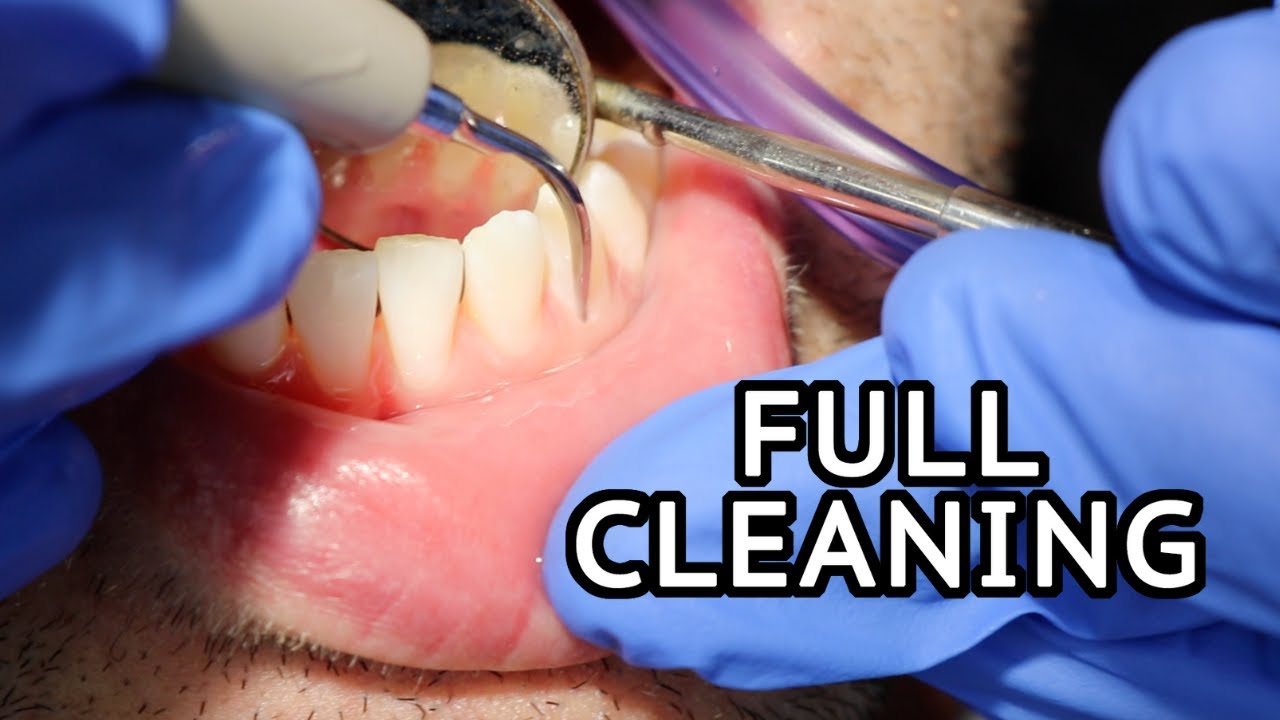
How Teeth Are Cleaned At The Dentist
Alternatives to Oil Pulling from Holistic and Natural Perspectives
While sticking to evidence-based care, some dentists acknowledge natural alternatives as supplements. For instance, baking soda for gentle abrasion, saltwater rinses for soothing, hydrogen peroxide (diluted) for antibacterial effects, or herbal mouth rinses with peppermint, clove, turmeric, or neem. Aloe vera and green tea may support gum health. Dental probiotics, irrigation with tools like Waterpik, or even coconut oil pulling as a minor add-on (not replacement) are mentioned in some holistic dentistry contexts. However, these should complement, not supplant, core practices.
An infographic on the oral health benefits of fluoride highlights how it remineralizes teeth, reducing decay risk by up to 25% in some studies.

Health Benefits Trace Essential Mineral Fluoride Stock Vector …
Frequently Asked Questions About Oil Pulling
Can oil pulling replace brushing and flossing? No, oil pulling should not replace brushing and flossing. Even if you practice oil pulling, you should still brush twice daily with fluoride toothpaste and floss once daily. Oil pulling lacks the mechanical action needed to effectively remove plaque and food particles from teeth surfaces and between teeth.
Is oil pulling completely useless? Not necessarily. Oil pulling may provide some minor benefits in reducing certain bacteria in the mouth and could potentially help with bad breath in some cases. However, these benefits are limited compared to conventional oral hygiene practices and professional dental care. If you enjoy oil pulling, it’s generally safe to continue as a supplement to (not replacement for) regular dental hygiene.
What’s the best oil to use if I want to try oil pulling? If you choose to try oil pulling, coconut oil is often preferred due to its pleasant taste and potential antimicrobial properties from lauric acid. Sesame oil is the traditional choice in Ayurvedic medicine and has been used in most studies. Regardless of which edible oil you choose, remember to spit the oil into the trash rather than the sink to avoid clogging pipes.
The Bottom Line: Evidence-Based Dental Care Is Still Best
While oil pulling has deep historical roots and a growing base of enthusiastic supporters, the scientific evidence simply doesn’t support many of the claims made about its benefits. This is why dentists do not recommend oil pulling as a primary oral hygiene method.
That said, if you enjoy oil pulling and want to include it as a supplementary practice alongside evidence-based dental care, it’s generally safe to do so. Just remember that it shouldn’t replace brushing with fluoride toothpaste, flossing, and regular dental check-ups.
The most effective approach to oral health combines daily home care using proven methods with regular professional dental visits. This evidence-based strategy gives you the best chance of maintaining healthy teeth and gums for life.
Ready to Prioritize Your Oral Health? Schedule a consultation with a dental professional to create a personalized oral health plan based on scientific evidence and your specific needs.
For more
For more exclusive influencer stories, visit influencergonewild