Beauty ideals have fascinated humanity for centuries. From ancient sculptures celebrating curvaceous figures to today’s emphasis on natural harmony, perceptions of attractiveness constantly shift. Plastic surgery plays a significant role in this evolution, offering women (and increasingly men) tools to enhance their appearance while aiming for results that look authentic and balanced.
In recent years, aesthetic procedures have surged in popularity. Society’s growing acceptance has turned once-taboo topics into open conversations. Achieving a natural and harmonious result remains the gold standard for top specialists. Preserving individuality after surgical intervention is key—transformations should enhance unique features rather than create a uniform look.
This comprehensive guide explores the history of beauty, the booming demand for plastic surgery, how to choose a reputable clinic, and why reputation and expertise matter most.
Historical Perspectives on Beauty Ideals
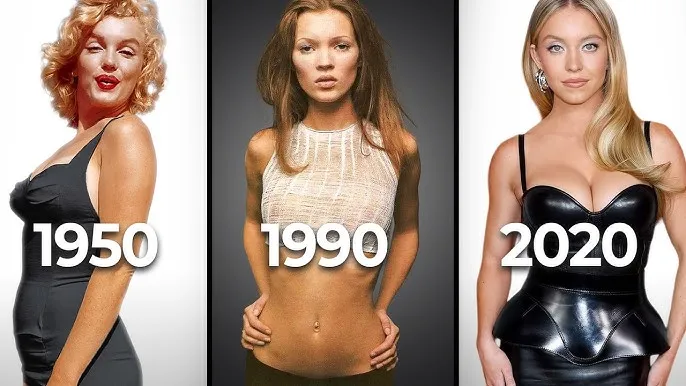
Beauty standards have never been static. In ancient Egypt, symmetrical faces and slender bodies symbolized divinity. Greek art idealized proportionate figures, as seen in statues like Venus de Milo.
During the Renaissance, fuller figures represented wealth and fertility—think Rubens’ voluptuous women. The Victorian era favored corseted waists and pale skin, signaling refinement.
The 20th century brought rapid changes. The 1920s flapper look celebrated boyish silhouettes and short hair. Post-World War II, hourglass figures like Marilyn Monroe’s dominated. The 1990s supermodel era pushed for tall, thin frames.
Today, diversity reigns: inclusive representations highlight varied body types, skin tones, and features. Social media accelerates trends, but there’s a backlash against overly edited images, favoring authenticity.
Plastic surgery mirrors these shifts. Early procedures focused on reconstruction after wars or accidents. Cosmetic enhancements gained traction in the late 20th century, evolving from dramatic changes to subtle refinements.
The Plastic Surgery Boom: Why Demand Keeps Growing
The global demand for plastic surgeries has skyrocketed. Procedures increase annually as societal attitudes become more tolerant.
Breast augmentation, once whispered about, is now openly discussed. Women share experiences on forums, recommending surgeons and detailing recoveries. This normalization reduces stigma and encourages others.
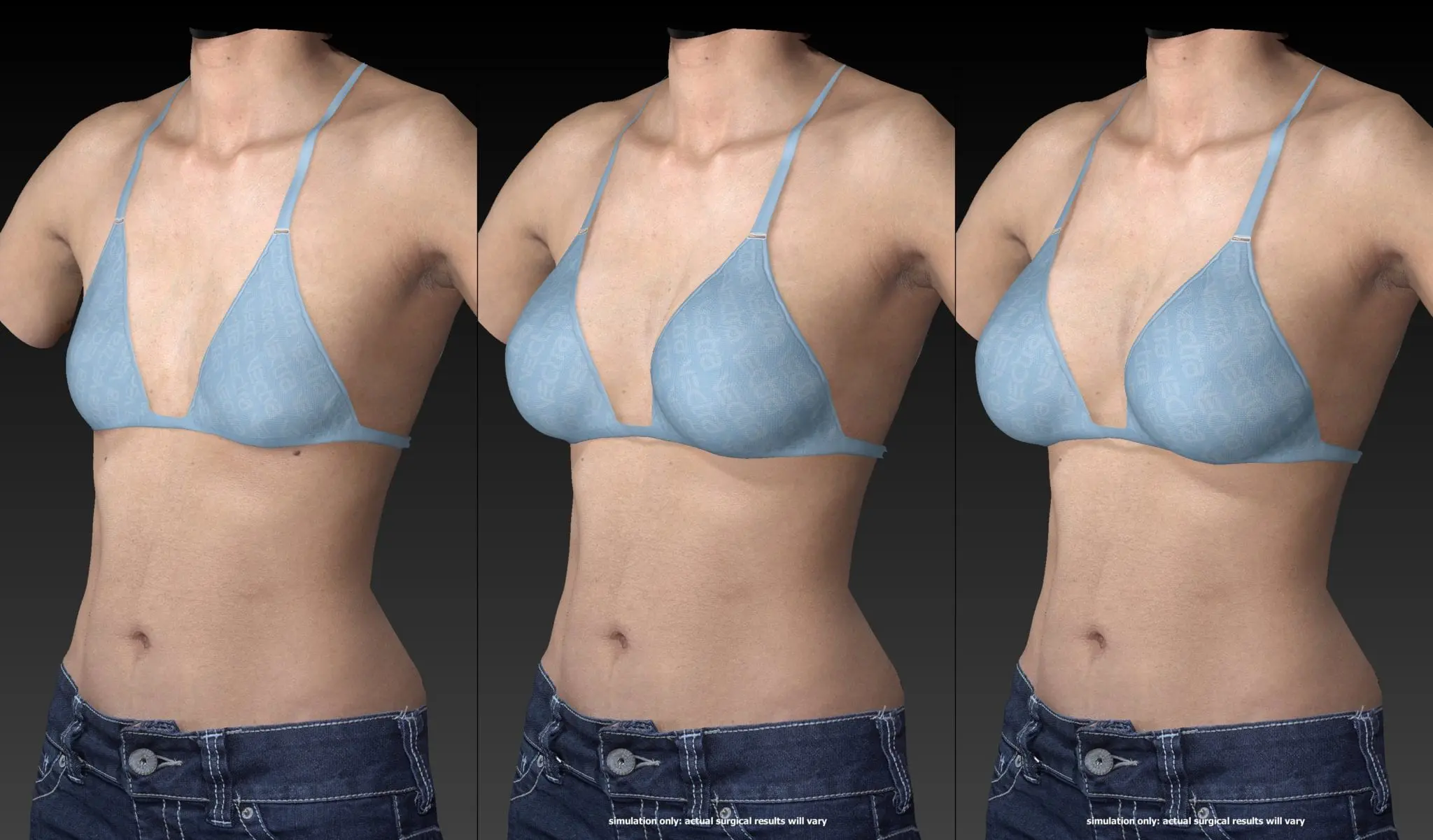
Technological advancements fuel this growth. Modern computer technology allows previews of outcomes before surgery.
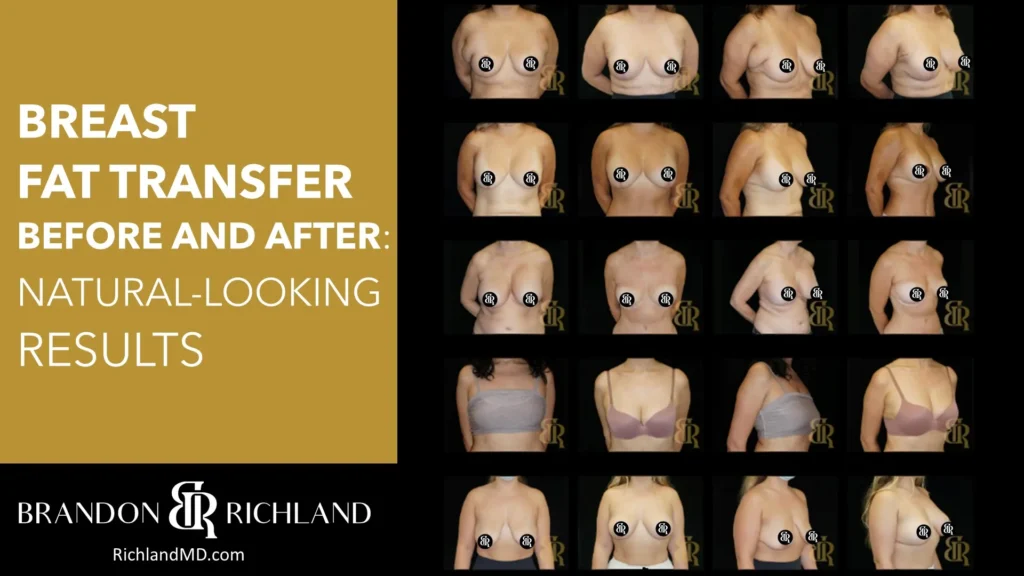
Clinics use 3D modeling to simulate results—patients see projected breast shapes after implants. Before and after photos provide tangible proof of surgeons’ skills.
These tools build confidence. Seeing realistic simulations inspires decisions to proceed. Professional, attentive approaches foster trust between patients and doctors.
Cosmetic Surgery & Procedure Market | Industry Report 2033
Other factors include:
- Aging populations seeking youthful appearances.
- Influence of celebrities sharing procedures.
- Rise of minimally invasive options with shorter recoveries.
Women remain the majority of patients, but men’s interest grows in areas like rhinoplasty and liposuction.
Popular Procedures and the Quest for Natural Results
Breast augmentation leads in popularity. Modern implants and techniques prioritize natural looks—teardrop shapes and submuscular placement avoid artificial appearances.
Fat transfer offers even more subtlety, using the patient’s own tissue for enhancement.
Facial procedures like rhinoplasty, blepharoplasty, and facelifts focus on harmony. Surgeons preserve ethnic features and individual traits.
Body contouring—liposuction, tummy tucks, Brazilian butt lifts—emphasizes proportion over exaggeration.
The trend is clear: away from overdone looks toward enhancements that appear untouched.
Using Technology for Better Planning and Outcomes
- 3D modeling revolutionizes consultations. Software like Vectra or Crisalix creates detailed simulations.
- Patients try different implant sizes virtually, assessing from multiple angles.
- This reduces dissatisfaction post-surgery. Realistic expectations lead to higher satisfaction.
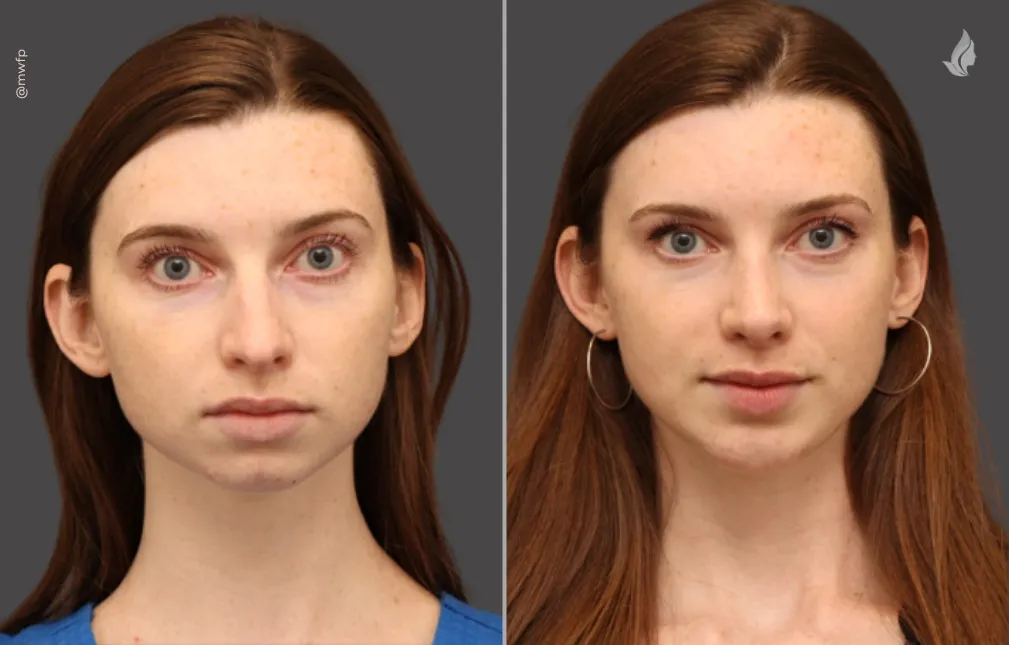
- Before and after galleries complement this, showcasing real patient transformations.
- Clinics investing in such technology demonstrate commitment to precision and patient-centered care.
Choosing a Plastic Surgery Clinic: Essential Steps to Minimize Risks
Selecting the right clinic is crucial for safety and satisfaction.
Start with credentials. Ensure the clinic holds necessary licenses and accreditations from recognized bodies.
Surgeons should be board-certified and members of professional associations like the American Society of Plastic Surgeons or equivalents.
Review portfolios extensively. Look for consistent natural results across diverse patients.
Read patient reviews on independent platforms. Pay attention to comments on bedside manner, follow-up care, and complications handling.
The Critical Role of Initial Consultation
The first meeting with the surgeon sets the tone.
A thorough consultation includes:
- Physical examination.
- Discussion of goals and expectations.
- Review of medical history, including allergies, medications, and prior surgeries.
- Explanation of procedure details, risks, and alternatives.
- Presentation of personalized plan, often with 3D simulations.
Good surgeons listen actively, offer honest feedback, and decline unrealistic requests.
This builds trust and ensures alignment.
Technical Equipment and Safety Standards
- Advanced clinics feature state-of-the-art operating rooms.
- Modern medical equipment minimizes complications—precise anesthesia monitoring, sterile environments, high-definition imaging.
- Accredited facilities adhere to strict protocols, reducing infection risks and improving outcomes.
- Surgeries of varying complexity become safer with these tools.

The Importance of Clinic Reputation
- A strong reputation reflects reliability and quality.
- Clinics with long histories accumulate positive feedback from satisfied patients.
- Established institutions invest in ongoing training and technology.
- Word-of-mouth referrals often guide choices—happy patients become advocates.
- Avoid facilities with red flags like aggressive marketing or unusually low prices.
Service Level and Patient Comfort
- Beyond technical expertise, the human element matters.
- Friendly staff create welcoming environments.
- Clean, comfortable waiting areas and recovery rooms ease anxiety.
- A positive atmosphere aids emotional well-being during rehabilitation.
- Post-operative support—regular check-ups, accessible helplines—ensures smooth recoveries.

Plastic Surgery as an Art Form
- Master surgeons blend science and artistry.
- Deep understanding of anatomy, aesthetics, and individual characteristics is essential.
- They adhere to principles of harmony, balance, and proportions.
- The goal: enhance unique appearance without erasing personality.
- Beauty isn’t a template—it’s personal, accentuated by skilled intervention.
- Experienced surgeons create perfect images that feel authentic.
Preserving Individuality in Transformations
- The hallmark of excellent plastic surgery is invisibility—changes look innate.
- Surgeons consider facial structure, body type, and lifestyle.
- Over-correction is avoided; subtlety reigns.
- Patients should recognize themselves in the mirror, just improved.
- This approach boosts confidence without altering identity.
Rehabilitation and Long-Term Care
- Recovery varies by procedure but benefits from supportive environments.
- Comfortable atmospheres positively affect healing.
- Follow post-op instructions meticulously—rest, wound care, activity restrictions.
- Regular follow-ups monitor progress and address concerns.
- Long-term results depend on healthy habits: sun protection, nutrition, exercise.
Risks and How to Mitigate Them
- All surgeries carry risks: infection, scarring, anesthesia complications.
- Choosing qualified professionals and accredited facilities drastically reduces these.
- Honest disclosure of health conditions aids risk assessment.
- Realistic expectations prevent psychological dissatisfaction
The Future of Plastic Surgery
- Innovations continue: regenerative medicine, stem cells, advanced non-surgical options.
- Focus on natural results will intensify.
- Personalization through AI and genetics may tailor procedures further.
- Societal acceptance will likely grow, with emphasis on mental health alongside physical changes.
Conclusion: Empowering Choices for Timeless Beauty
Plastic surgery offers powerful opportunities to align outer appearance with inner confidence.
By prioritizing natural and harmonious results, preserving individuality, and selecting reputable clinics, patients achieve transformative yet authentic enhancements.
The journey begins with informed decisions—research, consultations, and trust in skilled hands.
Beauty evolves, but the desire to feel comfortable in one’s skin remains timeless.
For more
For more exclusive influencer stories, visit influencergonewild