Mobile app development has evolved rapidly, with businesses demanding faster performance, better user experience, and long-term scalability. Choosing the right programming languages for mobile apps is one of the most critical decisions in mobile app development, as it directly affects performance, cost, development speed, and future maintenance.
With multiple native and cross-platform options available, there is no single “best” language for every project. The ideal choice depends on business goals, target platforms, team expertise, and long-term strategy. This guide breaks down the best programming languages for mobile app development and helps you choose the right one based on real-world use cases.
How to Choose the Right Programming Language for Mobile Development
Selecting a mobile programming language should be a strategic decision rather than a trend-driven one. Each language offers different advantages depending on the type of application being built.
Native vs Cross-Platform Development Needs
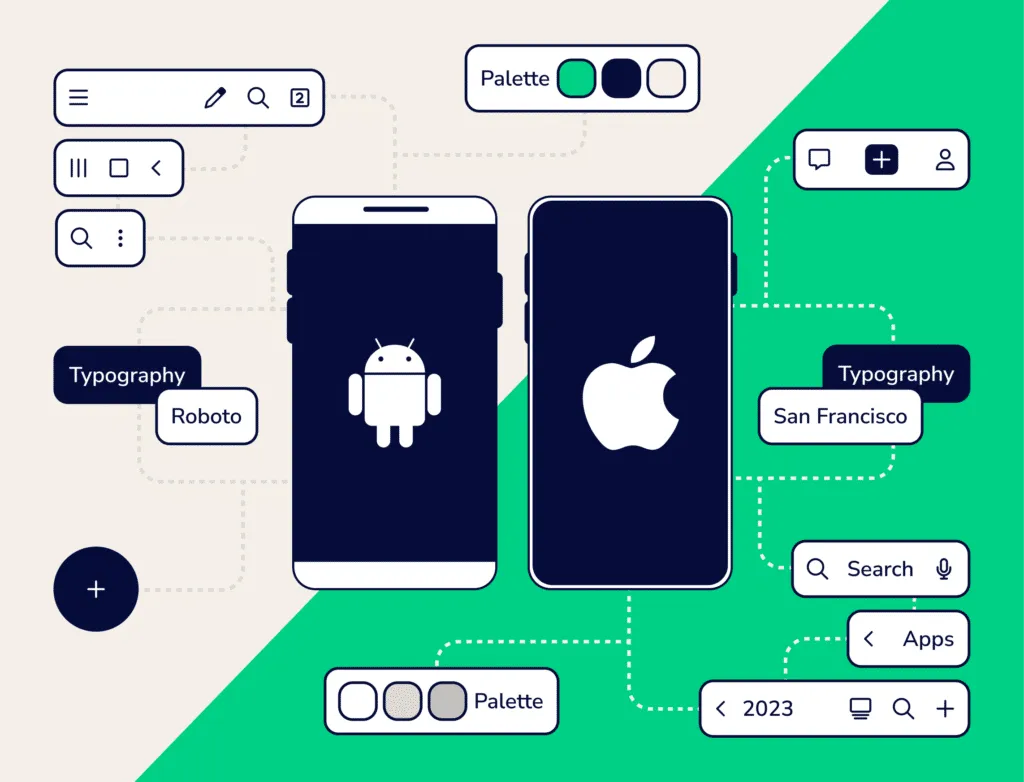
Native development focuses on building apps specifically for Android or iOS using platform-specific languages. This approach delivers the best performance and deepest device integration. Cross-platform development allows a single codebase to run on multiple platforms, reducing development time and cost, but may involve trade-offs in performance or flexibility.
Performance, Scalability, and Maintenance Factors
High-performance apps such as gaming, fintech, or real-time applications often require native languages. Scalability and long-term maintenance also matter—languages with strong ecosystems and community support are easier to maintain and evolve over time.
Budget, Team Skills, and Time-to-Market
Budget constraints and team expertise often influence language choice. Startups and small teams may prefer languages that allow faster development and reuse of existing skills, while enterprises may invest in native solutions for long-term stability. More insights on mobile development, programming trends, and modern technology strategies are regularly shared on Influencers Gone Wild.
Leading Programming Languages for Android App Development
Android remains the world’s most widely used mobile platform, and its development ecosystem continues to mature.
Kotlin for Modern Android Applications
Kotlin is now the preferred language for Android development. It offers concise syntax, improved safety features, and seamless interoperability with Java. Kotlin reduces boilerplate code, improves developer productivity, and supports modern app architectures, making it ideal for new Android projects. According to Android Developers, Kotlin is the officially recommended language for modern Android app development.
Java and Its Long-Term Role in Android
Java has been the backbone of Android development for many years. While newer projects increasingly use Kotlin, Java remains relevant for maintaining legacy applications and large enterprise systems. Its stability, extensive libraries, and vast developer community ensure continued support.
When Android Native Development Makes Sense
Native Android development is the best choice when applications require high performance, deep hardware integration, or complex animations. Apps with heavy background processing or real-time features benefit significantly from native development.
Popular Programming Languages for iOS App Development
Apple’s ecosystem prioritises performance, security, and smooth user experience, which influences language selection.
Swift as the Primary iOS Development Language
Swift is Apple’s modern programming language for iOS development. It is designed for speed, safety, and ease of use. Swift enables faster development cycles, fewer runtime errors, and better performance, making it the top choice for most iOS apps today.
Objective-C and Legacy iOS Applications
Objective-C was the original language for iOS development and is still used in older applications. While it is powerful, it has a steeper learning curve and more complex syntax compared to Swift. Most new projects avoid Objective-C unless maintaining legacy codebases.
Choosing Between Swift and Objective-C
For new iOS apps, Swift is almost always the better option. Objective-C is primarily relevant when working with existing applications that require updates or gradual migration.
Cross-Platform Programming Languages for Mobile Apps
Cross-platform development has gained popularity due to reduced development time and cost.
JavaScript for React Native and Hybrid Apps
JavaScript is widely used in cross-platform frameworks like React Native. It allows developers to build mobile apps using web development skills while still delivering near-native performance. JavaScript-based apps are ideal for startups and rapid development.
Dart and Flutter for High-Performance Cross-Platform Apps
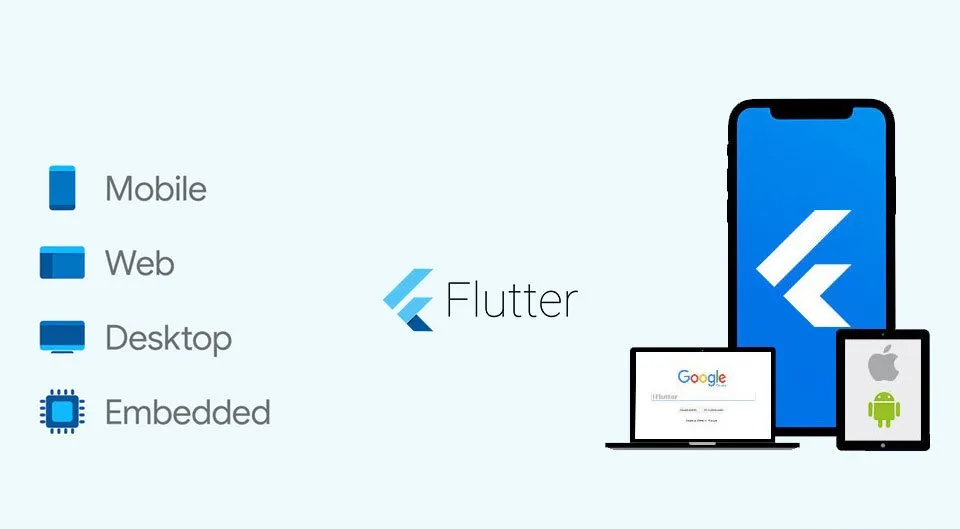
Dart, used with the Flutter framework, offers excellent performance and consistent UI across platforms. Flutter apps compile into native code, making them suitable for visually rich and performance-sensitive applications.
TypeScript for Scalable Mobile Applications
TypeScript builds on JavaScript by adding strong typing, which improves code quality and scalability. It is particularly useful for large, complex mobile applications where maintainability and structure are critical.
Emerging and Specialized Mobile Development Languages
Beyond mainstream options, some languages serve specialised use cases in mobile development.
Python for Prototyping and AI-Integrated Mobile Apps
Python is rarely used for full-scale mobile apps but is excellent for prototyping, backend integration, and AI-driven features. It is often combined with mobile frontends to support machine learning and data processing.
C# for Game Development and Enterprise Apps
C# is widely used with game engines and enterprise frameworks. It supports cross-platform development and is popular in gaming, simulation, and large business applications.
Rust for Performance-Critical Mobile Applications
Rust is gaining attention for performance-critical and security-focused mobile components. While not mainstream yet, it is used in scenarios where memory safety and speed are top priorities.
Comparison of Mobile Programming Languages by Use Case
| Use Case | Recommended Languages |
|---|---|
| Android Native Apps | Kotlin, Java |
| iOS Native Apps | Swift, Objective-C |
| Cross-Platform Apps | JavaScript, Dart, TypeScript |
| Rapid Prototyping | Python, JavaScript |
| High-Performance Apps | Kotlin, Swift, Rust |
| Games & Enterprise Apps | C#, Kotlin |
Best Languages for Startups and MVPs
JavaScript, Dart, and TypeScript are ideal for startups due to faster development cycles, shared codebases, and lower costs.
Best Languages for High-Performance Apps
Kotlin and Swift offer the best performance and device-level optimisation for demanding applications.
Best Languages for Long-Term Enterprise Projects
Java, Kotlin, Swift, and C# provide stability, scalability, and long-term ecosystem support suitable for enterprise-grade solutions.
Future Trends in Mobile App Programming
Mobile development continues to evolve with new technologies and frameworks.
Growth of Cross-Platform Frameworks
Cross-platform tools are becoming more powerful, reducing the performance gap with native apps and accelerating adoption.
AI, AR, and Performance-Oriented Languages
Languages that support AI integration, augmented reality, and performance optimisation will gain prominence as apps become more intelligent and immersive.
Declining vs Rising Mobile Programming Languages
Older languages with limited flexibility are gradually declining, while modern, performance-oriented languages continue to grow.
Frequently Asked Questions About Mobile Programming Languages
Which programming language is best for beginners in mobile development?
JavaScript and Kotlin are ideal for beginners because they are easy to learn, widely used, and supported by strong communities. Both offer clear learning paths and long-term career opportunities.
Can one programming language be used for both Android and iOS apps?
Yes, languages like JavaScript, Dart, and TypeScript can be used with cross-platform frameworks to build apps for both Android and iOS. This approach reduces development time and cost.
Which mobile programming language offers the best long-term career scope?
Kotlin, Swift, and JavaScript currently provide the strongest long-term career scope due to high industry demand and continued platform support. These languages are widely adopted by modern app ecosystems.
Are native mobile apps better than cross-platform apps?
Native apps usually deliver better performance and deeper device integration, especially for complex features. Cross-platform apps are suitable for faster development and most standard business use cases.
Which programming language is best for startup MVPs?
JavaScript, Dart, and TypeScript are best for startup MVPs because they enable rapid development and faster market launch. They also allow easy iteration based on early user feedback.
Is Python suitable for mobile app development?
Python is not commonly used for full mobile apps but is excellent for prototyping, backend development, and AI integration. It often works alongside native or cross-platform mobile frontends.
Which language should be used for high-performance or gaming apps?
Kotlin and Swift are best for high-performance native apps, while C# is widely used for mobile game development. These languages offer better control over performance and system resources.
Final Thoughts on Choosing the Best Mobile Programming Language
There is no universal best programming language for mobile app development. The right choice depends on your business goals, target audience, budget, and long-term vision. Native languages deliver maximum performance and user experience, while cross-platform languages offer speed and cost efficiency.
By aligning technology choices with real business needs, you can build mobile applications that scale effectively, perform reliably, and deliver long-term value.