Tattoos are more than just ink on skin—they are expressions of personality, style, and memories. From big back pieces and full-sleeve designs to sprawling thigh murals, these artworks can be breathtaking. However, tastes change, circumstances shift, or life events may prompt the desire for tattoo removal. Removing large or multicolour tattoos is more complex than erasing a small design. With modern laser technology, even the most extensive tattoos can be faded or removed, but understanding the process, limitations, and aftercare is essential for success.
In London, professional laser tattoo removal has evolved into a highly precise science. Clinics offering tattoo removal London employ advanced devices, tailored wavelengths, and trained practitioners who consider every factor—from ink depth and colour to skin type and healing capacity. This guide covers everything you need to know about professional tattoo removal, including techniques, session planning, factors affecting clearance, aftercare, cost considerations, and tips for choosing the right specialist.
How Modern Laser Technology Removes Large Tattoos
Understanding Laser Mechanics
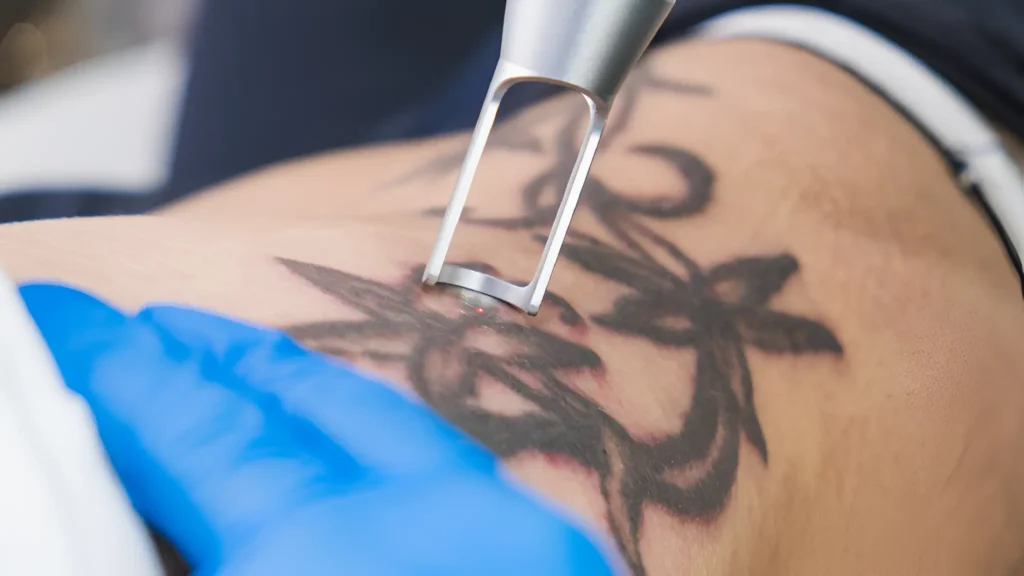
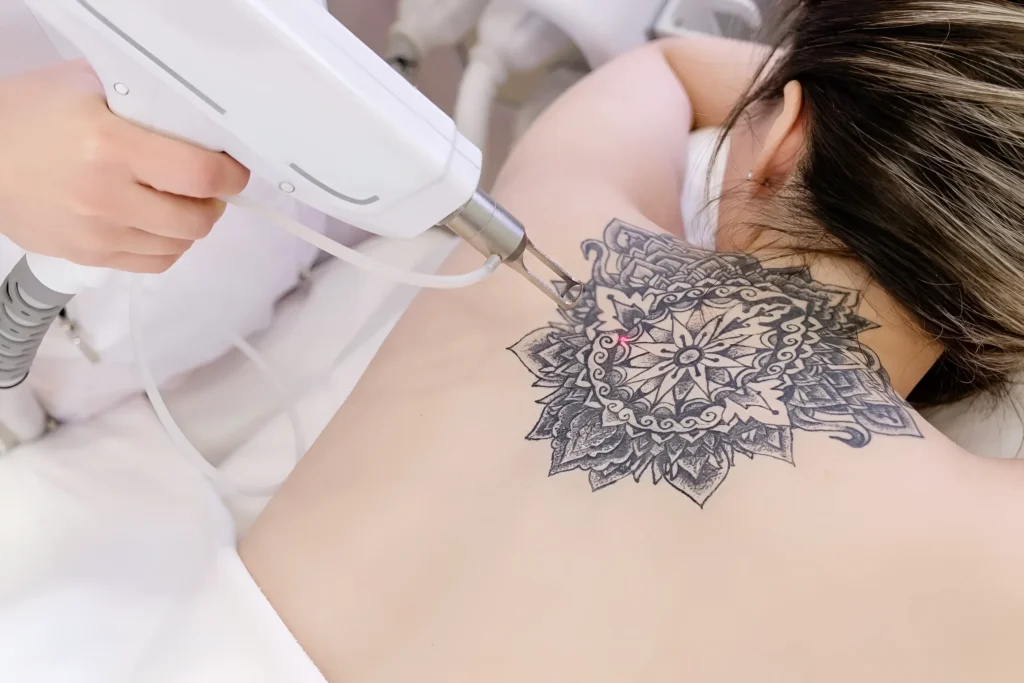
Laser tattoo removal works by delivering bursts of highly concentrated light energy to the tattooed area. This energy breaks down the pigment particles into smaller fragments, which the immune system gradually clears. Large tattoos present unique challenges because they contain more pigment particles spread across varying depths and multiple colours.
Ultra-Short Pulse Lasers
Modern devices like picosecond lasers and advanced nanosecond machines emit light in billionths of a second. This rapid pulse produces an acoustic shock wave that shatters pigment without causing significant heat damage to surrounding skin. Ultra-short pulses are particularly effective for dense, professional-grade tattoos, where conventional lasers might struggle to reach deeper ink layers.
Wavelength Strategies for Multicolour Ink
Each ink colour absorbs light differently:
- Black and dark blue: 1064 nm wavelength
- Red and orange: 532 nm wavelength
- Green and bright blue: 694 nm or 755 nm wavelength
Large, multicolour tattoos often require switching between wavelengths within a single session to ensure balanced fading. Professional technicians in London are trained to select the optimal wavelength based on ink composition and skin tone.
Spot-Size Techniques
Laser machines come with variable handpieces to adjust spot size, controlling how much skin is treated per pulse. Larger spot sizes cover more area, reducing overall treatment time, while careful overlapping prevents uneven fade lines, commonly known as “tiger stripes.” This approach is especially important for full-sleeve or back-piece tattoos, where consistent results across thousands of square centimetres are desired.
Session Count: Managing Expectations for Full Clearance
Tattoo removal is a marathon, not a sprint. Large tattoos, multicolour designs, and dense cover-ups require multiple sessions for complete clearance. Typical session estimates include:
- Simple black designs: 8–12 sessions
- Complex multicolour sleeves: 12–18 sessions
- Dense two-layer cover-ups: 15–20+ sessions
Each session targets only a portion of the ink. Waiting six to eight weeks between appointments allows the immune system to flush fragmented pigment while giving skin time to recover. Skipping this recovery period can reduce efficacy and increase the risk of skin irritation or scarring.
Professional tattoo removal London clinics provide personalised session planning, ensuring optimal progress while protecting skin health.
Factors That Influence Tattoo Removal Success
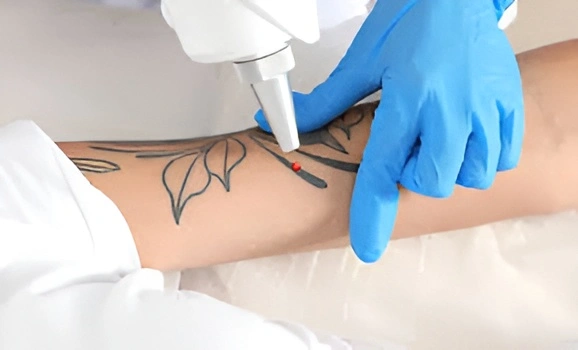
Several factors affect how quickly and effectively a tattoo can be removed. Understanding these elements helps set realistic expectations.
Ink Type and Depth
Professional tattoo ink is often higher-grade, deeply deposited, and more difficult to remove than amateur tattoos. Dense, layered designs require precise energy levels and multiple sessions for gradual fading.
Skin Tone
Skin type plays a critical role in laser settings. Darker Fitzpatrick skin types require lower energy to avoid hypo- or hyperpigmentation, which can lengthen the removal process. Skilled technicians adjust settings for safe, effective results across all skin tones.
Immune Health
The body’s immune system clears fragmented ink particles. Hydration, exercise, nutrition, and sufficient sleep accelerate lymphatic drainage, directly influencing fade speed. Clients who maintain healthy habits often see faster results.
Existing Scarring
Scar tissue can scatter laser light, reducing penetration and slowing pigment breakdown. Techniques like microneedling or fractional resurfacing between sessions can soften fibrotic tissue and improve overall clearance.
Tattoo Age
Older tattoos may have pigment that has migrated or faded unevenly. While this can sometimes make removal easier, it may also result in more stubborn colour patches requiring targeted sessions.
Is 100% Tattoo Removal Always Possible?
In 2025, most large tattoos can be cleared to a point where casual observers cannot detect them. Absolute perfection—skin completely indistinguishable from untouched areas—is not guaranteed.
Stubborn pigments often include:
- Pastel shades
- Titanium-based whites
- Ink in scar tissue
Experienced practitioners provide patch tests to identify problematic areas and may offer backup solutions such as semi-permanent camouflage, selective cover-ups, or additional laser sessions to enhance results.
Aftercare Tips to Protect Your Investment
Post-treatment care is crucial for safe healing and optimal results. Recommended practices include:
- Cool compresses and fragrance-free balm during the first 24 hours
- Strict SPF 50 protection on treated areas, rain or shine
- Avoid soaking, hot yoga, or heavy lifting for 48 hours
- Light exfoliation after one week to help skin shed pigment particles
- Maintaining hydration and balanced nutrition to support skin recovery
Consistent aftercare reduces complications such as scarring, pigmentation changes, and prolonged healing. Clinics offering professional tattoo removal London often provide tailored aftercare plans for each client.
Cost and Time Considerations for Large Tattoo Removal
Removing a full-sleeve or large back piece can cost several thousand pounds over a one- to two-year period. Costs depend on:
- Tattoo size and complexity
- Colour composition and depth
- Number of sessions required
- Clinic pricing structure (pay-as-you-go vs package deals)
Many London clinics offer bundle pricing for large tattoos, which helps manage monthly expenses while encouraging consistent session attendance.
Choosing the Right Tattoo Removal Specialist in London
Professional expertise is critical for safe and effective tattoo removal. When selecting a clinic:
- Verify Experience and Credentials
Ensure the practitioner has experience with large, multicolour tattoos and advanced laser devices. - Review Methods and Equipment
Reputable clinics use picosecond lasers, multi-wavelength systems, and adjustable spot sizes. - Check Client Testimonials and Portfolios
Before-and-after photos and reviews provide insight into results and professionalism. - Consider Aftercare Support
A good clinic offers guidance, products, and follow-up care to protect skin and maximize pigment clearance. - Location and Accessibility
Clinics in London should be conveniently located for repeat appointments over many months or years.
Frequently Asked Questions (FAQs)
Q1: How many sessions are required for a full-sleeve tattoo?
Typically, 12–18 sessions, depending on ink density and colour complexity.
Q2: Can all tattoo colours be removed completely?
Most colours fade significantly, but pastel shades and titanium-based whites may remain partially visible.
Q3: Is laser tattoo removal painful?
Discomfort varies, often described as snapping rubber bands on the skin. Topical numbing creams can reduce pain.
Q4: Can I return to work or exercise after a session?
Light activity is fine, but avoid soaking, hot yoga, or heavy lifting for at least 48 hours.
Q5: How do I choose the best clinic in London?
Look for experience, advanced lasers, positive reviews, and comprehensive aftercare support.
Final Word
Large tattoos can be effectively removed with commitment, patience, and professional expertise. Modern laser tattoo removal technologies, including picosecond lasers and multi-wavelength systems, allow even full-sleeve or multicolour designs to fade safely.
The keys to success include:
- Selecting a qualified London specialist
- Following session schedules and aftercare recommendations
- Maintaining healthy lifestyle habits to support immune clearance
With proper planning and professional guidance, your once-permanent tattoo can gradually disappear, leaving healthy, refreshed skin. Book a consultation for tattoo removal London to explore personalised options and discover what today’s advanced devices can achieve for oversized or complex ink designs.
For more
For more exclusive influencer stories, visit influencergonewild